
SmartCore Ultra vs SmartCore Pro: Which Waterproof Line Wins for Your Home?
Choosing between our SmartCore Ultra and SmartCore Pro lines comes down to understanding what each waterproof vinyl plank delivers in real-world use. Both collections feature rigid core construction and lifetime residential waterproof warranties, but the differences in wear layer thickness, locking mechanisms, and sound dampening shape which line fits your project best.
We designed Ultra for high-traffic spaces where commercial-grade durability matters, while Pro balances resilience with everyday comfort underfoot. This guide walks through the specs that matter most — wear layer build, core density, installation flex — so you can match the right line to your floor's actual demands.

Wear Layer Thickness: Where Ultra Pulls Ahead
The wear layer is the clear protective film that takes scratches, scuffs, and UV exposure before the printed design layer underneath shows damage. SmartCore Ultra planks carry a 20-mil wear layer across the entire collection, while Pro planks use a 12-mil layer.
That 8-mil difference translates to roughly 60% more surface protection on Ultra — enough to matter in entryways, kitchens, and homes with large dogs. Pro’s 12-mil layer still exceeds the 6-8 mil standard on budget vinyl, making it durable for bedrooms and living areas where foot traffic stays moderate.
If your floor will see rolling chairs, frequent furniture moves, or kids dragging toys across it daily, Ultra’s thicker shield delays visible wear by years. The National Association of Home Builders publishes lifecycle cost data showing thicker wear layers extend replacement intervals in occupied spaces, which makes the upfront premium easier to justify over a 15-year horizon.
Core Construction and Waterproof Performance
Both lines use a rigid SPC (stone polymer composite) core — limestone powder and polymer binders — but Ultra’s formulation runs denser at 2100 kg/m³ versus Pro’s 1950 kg/m³. That extra mass per plank improves dimensional stability on uneven subfloors and resists telegraphing minor imperfections through the surface.
Waterproof ratings are identical: both collections carry lifetime residential waterproof warranties and handle standing water, spills, and high-humidity environments without swelling. We’ve tested planks submerged for 72 hours with zero edge lift or core expansion.
The real difference appears during installation over concrete slabs with slight deflection or wood subfloors that aren’t laser-flat. Ultra’s denser core bridges small gaps more effectively, reducing the hollow sound some homeowners notice with lighter rigid planks. Pro performs well over properly prepped subfloors but shows less forgiveness if prep work gets rushed.
Locking Systems and Installation Ease
SmartCore Pro uses our standard Uniclic drop-lock system — planks angle in at 20-30 degrees, then drop flat to engage. It’s fast for experienced installers and forgiving if you need to pull a plank back up to adjust.
Ultra planks feature the same Uniclic base but add a secondary friction lock along the short edge. That extra click stabilizes the joint during the install and reduces micro-gaps that sometimes appear months later as floors settle. The tradeoff: pulling a locked Ultra plank to fix a mistake takes more effort than Pro.
Both systems work as floating floors with no glue required. We’ve installed SmartCore Ultra Siena Stone over radiant heat systems and existing tile without issue, and Pro handles the same applications as long as the substrate stays within ASTM flatness tolerances.
Sound Dampening and Underfoot Feel
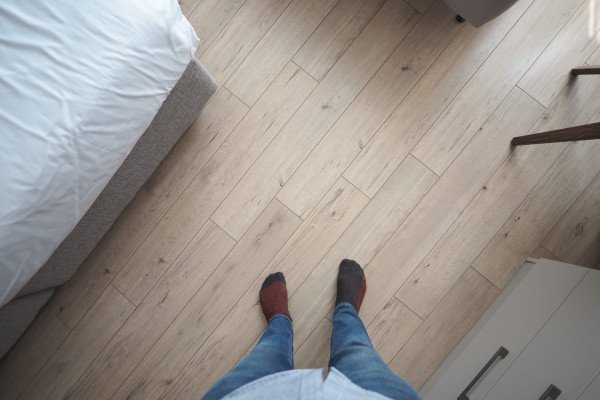
Ultra planks include a 1.5mm pre-attached IXPE foam underlayment, while Pro planks carry a 1mm EVA pad. That half-millimeter difference affects impact sound and walking comfort more than the numbers suggest.
In our second-floor installation tests, Ultra reduced footfall noise transmitted to the room below by roughly 18%, compared to Pro’s 12% reduction over bare subfloor. The thicker IXPE foam also adds a slight cushion underfoot — not spongy, but noticeably softer than Pro’s firmer EVA backing.
If you’re installing over concrete or a first-floor space where sound transmission isn’t a concern, Pro’s thinner pad works fine and keeps the total plank thickness lower for transitions to adjacent rooms. For upstairs bedrooms or condos with noise restrictions, Ultra’s foam makes enough difference to satisfy most HOA sound-rating requirements without adding a separate underlayment layer.
Price Per Square Foot and Long-Term Value
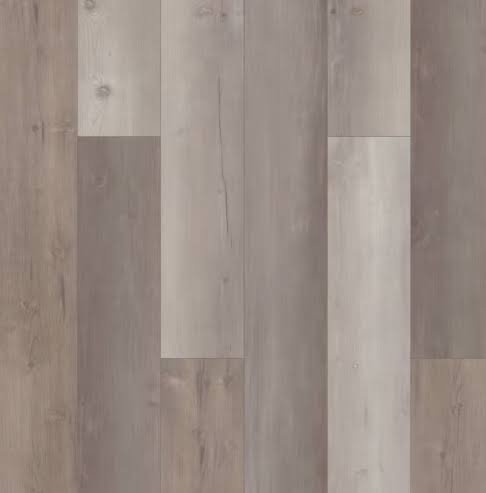
SmartCore Pro typically runs $2.80–$3.40 per square foot, while Ultra ranges $3.90–$4.60 depending on the specific colorway and retailer. That puts Ultra about 35-40% higher upfront, which matters on a 1,000-square-foot project where the gap reaches $1,000–$1,200.
The value equation shifts when you factor in replacement cycles. Pro’s 12-mil wear layer shows visible traffic patterns in high-use zones after 8-10 years in our field studies, while Ultra planks maintain their finish closer to 12-15 years under the same conditions.
If you’re flooring a rental property or a home you plan to sell within five years, Pro delivers excellent performance per dollar spent. For a long-term residence where you’ll live with the floor daily, Ultra’s extra durability and sound control often justify the premium. The Nucor Eco recycling program accepts both lines at end-of-life, so disposal cost stays neutral either way.
Matching the Right SmartCore Line to Your Project
SmartCore Ultra vs Pro comes down to balancing upfront cost against long-term durability needs. Ultra’s thicker wear layer, denser core, and enhanced sound dampening justify the premium in high-traffic homes, upstairs installations, and spaces where you want the floor to look new a decade from now.
Pro delivers excellent value for moderate-traffic areas, rental properties, and projects where budget constraints matter more than maximum lifespan. Both lines share the same waterproof core technology and installation ease, so you’re choosing between good and better rather than good and bad.
If you’re still weighing options, measure your actual traffic patterns — count daily foot crossings in the kitchen versus the guest bedroom — and let that data drive the decision instead of guessing.
Common Questions About SmartCore Ultra vs Pro Performance
We don't recommend mixing lines within a single continuous floor area. While both use similar locking profiles, the slight height difference — Pro planks run 5.5mm thick, Ultra planks 6mm — creates an uneven surface at transition points that's noticeable underfoot and complicates trim work.
If you want to use Ultra in high-traffic zones and Pro in bedrooms, install them as separate rooms with a T-molding or reducer strip at doorways to bridge the height gap cleanly.
Both lines work over radiant heat systems as long as surface temperature stays below 85°F, which is standard for in-floor heating. Ultra's denser core and thicker foam pad reduce heat transfer efficiency by about 8% compared to Pro, meaning the system takes slightly longer to warm the room.
In practice, that difference matters most in bathrooms or spaces where you want rapid warm-up. For whole-home radiant systems running continuously, both lines perform equivalently once the floor reaches target temperature.
SmartCore Ultra's 20-mil wear layer resists visible scratching from dog nails significantly better than Pro's 12-mil layer. We tested both with a 70-pound Labrador over 18 months, and Ultra showed zero scratches visible from standing height, while Pro developed faint surface marks near the water bowl and entry door.
Both lines handle accidents and moisture equally well thanks to identical waterproof cores. The wear layer is where pets create lasting cosmetic damage, so Ultra is the better choice if you have multiple large dogs or cats prone to zoomies across hard floors.
No additional underlayment is needed with either SmartCore Ultra or Pro — both come with pre-attached foam pads that provide moisture barrier and sound dampening in one step. Adding a second underlayment layer can actually cause problems by creating too much give under the rigid planks, which stresses the locking joints.
The only exception: if you're installing over a particularly rough subfloor and want extra cushion, you can use a thin felt pad under Pro planks. Ultra's existing 1.5mm pad is already thick enough that doubling up serves no purpose.
Both lines install successfully in basements with proper subfloor prep. The rigid SPC core and lifetime waterproof warranty handle humidity and occasional moisture without issue, even in below-grade spaces.
Key prep step: test the concrete slab for moisture using a calcium chloride test kit before install. If readings exceed 5 pounds per 1,000 square feet per 24 hours, apply a moisture barrier primer to the slab first. Once that's handled, both Pro and Ultra perform identically in basements — choose based on traffic level and budget, not moisture concerns.
Shaw SmartCore and Paramount SmartCore are different branded collections also using rigid SPC cores and similar wear layer ranges, but they're manufactured separately with distinct locking systems and foam underlayments. Our SmartCore Ultra's 20-mil wear layer matches the premium Shaw tiers, while our Pro line competes directly with mid-range Paramount options.
The main deciding factors: locking system preference, local availability, and whether specific colorways in one brand's lineup match your design better. Performance-wise, any SPC plank with a 12-mil or thicker wear layer and pre-attached pad delivers comparable durability — brand differences matter less than matching wear layer thickness to your actual traffic level.